These Popular Cats Have Hidden Problems You Need to Know About
Author:Allison
Released:January 31, 2026
The videos are irresistible. A hairless Sphynx wrapped in a baby blanket. A Munchkin kitten wagging its tiny legs like a toy. People watch, share, and type “I need one.” But what happens after the video ends? Behind the viral charm, many of these so-called “rare cats” live with pain, high-maintenance care, and rules most buyers never hear about.
Why People Are Talking About These Cats
Many of today’s trending cat breeds weren’t accidents; they’re the result of intense selective breeding for unusual looks. Folded ears. Ultra-short legs. Completely hairless skin. Every one of those features required generations of genetic tweaking.
The problem? A look that delights viewers can harm the cat who has it. Bones grow unevenly, cartilage stiffens, and skin dries out. What’s treated as a “personality” quirk is often discomfort. The conversation isn’t about taste; it’s about how far humans should push nature for novelty’s sake.
The Breeds Everyone Argues About
Munchkin cats: Short legs come from a genetic mutation that stops normal bone growth. The result can be cute movement on camera, but extra pressure on the spine and hips in real life. Older Munchkins may avoid jumping or climbing because it hurts.
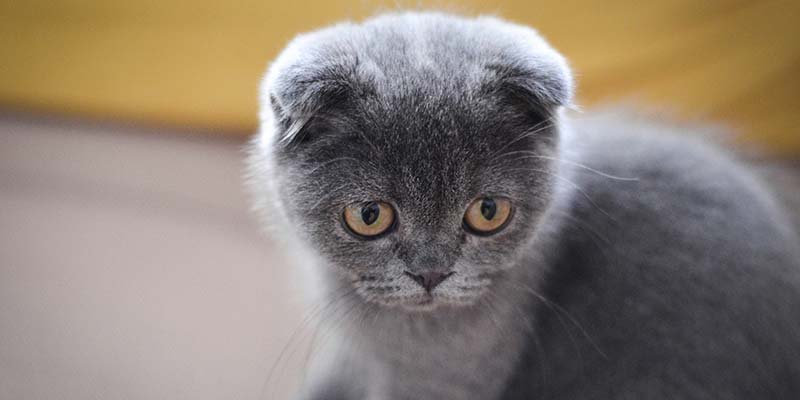
Scottish Folds: Their folded ears, adored for making them look “always curious,” stem from a cartilage defect that also affects joints throughout the body. Vets frequently see early arthritis, even in young cats.
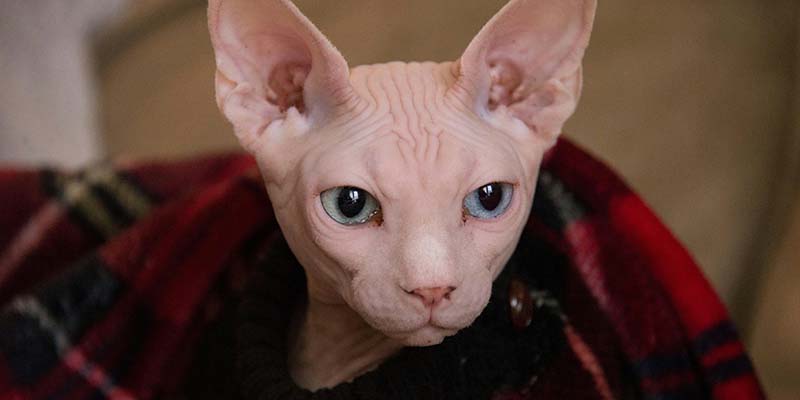
Sphynx cats: Famous for being completely hairless, they require near-constant cleaning. Without fur to absorb oil, their skin needs baths every few days. They can’t regulate temperature well, sunburn easily, and often develop seborrhea (greasy or flaky skin conditions). According to the Cornell Feline Health Center, this breed is also prone to hypertrophic cardiomyopathy, a heart disease that can shorten lifespan.
A recent twist is “hybrid” cats designed for attention; they combine dwarfism, hairlessness, or folded ears to create even stranger appearances. These cats rack up likes, but their genetic instability raises major welfare red flags.
What the Law Actually Says in the U.S.
There’s no single U.S. law banning these breeds nationwide. Breed restrictions are decided locally — at the state, county, or city level. In short, a cat you can legally buy in Texas might be restricted in Los Angeles.
Some states, such as California, limit the sale of cats from commercial breeding operations under their retail pet sales laws. But private breeders can often sell directly without violating federal rules.
If you’re serious about adopting a rare breed, just check your local animal control or state legislature website before sending any deposit. That quick search saves potential legal trouble later.
Why These Cats Go Viral So Easily
Online, the formula is simple: something that looks cute and strange spreads fastest. Social algorithms favor curiosity. A cat that doesn’t look like a normal cat stops the scroll; that’s enough to double the engagement rate.
A Sphynx in a sweater reads as “human-like.” A Munchkin waddling looks like a cartoon. Viewers flood the comments with heart emojis; sellers quietly turn that attention into business.
Language shapes demand, too. Breeders label cats as rare, mini, or exotic to sound premium — even when these adjectives mask a genetic health issue. A scroll through TikTok proves the tactic works: the stranger the look, the bigger the reach.
What these videos normalize is suffering disguised as cuteness. Limping, labored breathing, or skin sores get mistaken for quirks. That’s how pain becomes “content.”
What Buyers Don’t See Behind the Posts
The internet sanitizes ownership. You’ll rarely see the full picture:
Routine blood tests and X-rays that eat into monthly budgets.
Skin treatments, special diets, or medications to handle joint pain.
Heating pads everywhere because the cat gets cold at normal room temps.
Breeding environments are also hidden. Many “hobby breeders” run small operations without proper genetic screening. What looks like a home setup can actually mean limited oversight.
Buyers often realize too late that an “easy-to-maintain” breed may need lifelong medical attention. Some owners rehome within the first year when bills climb. Others stay, out of love, but under constant stress. Either way, the harm starts long before adoption day.
Better, Healthier Choices for Future Pet Owners
If the goal is companionship, not a social statement, there are safer routes. Shelters are packed with affectionate mixed-breed cats; no designer label, no fragile genes, and far fewer vet emergencies.
Want personality plus playfulness like a Sphynx? Look up the Abyssinian, known for energy and sociability. Or consider the Oriental Shorthair, which shares much of the same curiosity and talkative nature but with a healthy coat and joints intact.
Appearance still matters to many people — that’s okay. Just focus on color and personality, not body mutation. Silver-grey, smoke, calico, or chocolate tabbies are every bit as photogenic on camera as hairless or deformed cats, minus the suffering.
Healthy cats tend to live 15–20 years. That’s a long-term relationship, not a photo trend. Choosing moderate body structure and transparent breeder ethics is both practical and kind.
A Closer Look at Sphynx Cat Care
They might appear low-maintenance, but the truth is the opposite. Without fur, a Sphynx’s skin accumulates oil and debris, so baths once or twice weekly are routine. Miss a few days, and the skin can break out or smell musty.
Temperature control matters constantly. Many Sphynx cats need sweaters indoors, even in mild climates, and they burn in direct sunlight. Some owners keep a heating pad running 24/7.
Eating habits also differ. Since they burn more energy to stay warm, they often eat more than other cats relative to size. Their metabolism demands quality food; cheap feed makes skin issues worse.
On the bright side, they’re people-oriented and affectionate. If you’re home often, enjoy grooming routines, and live in a stable climate, they can thrive. Just understand that “low-shedding” doesn’t mean “low care.”
How to Buy Responsibly — Step by Step
Too many cat purchases start emotionally. Before paying anyone, pause and vet the breeder. A few firm steps can save both you and the animal.
- Ask for genetic test reports. Responsible breeders track known mutations that cause pain or disease. No proof, no purchase.
- See living conditions via video call. The space should be clean, not cramped, and kittens should interact freely.
- Request vet records — shots, microchip, and health guarantee. Ethical breeders never hide documentation.
- Cross-check with official registries such as The Cat Fanciers’ Association or The International Cat Association.
- Avoid “rare color” markups. Most so-called rare variations are just marketing language, not genetic proof of rarity.
If a breeder gets defensive, changes prices mid-conversation, or refuses in-person visits, that’s your exit sign.
The Hidden Side of Viral Cat Culture
Internet success created a cycle. Cute cat → viral post → breeding demand → more “designer” kittens. But nature doesn’t scale like trends do. It breaks.
Behind every 15-second clip of a hairless kitten being bottle-fed is a row of others who didn’t survive birth defects or infections. Social media rarely shows failure; it edits out tragedy to keep engagement high.
The fix isn’t abandoning online cat culture; it’s introducing empathy into it. Share adoption stories. Follow rescue accounts that educate about health. Reward authenticity over polish. If enough people do that, trends shift naturally.
Bringing It All Back Home
Loving cats also means protecting their right to comfort. It’s possible to admire rare breeds without supporting their exploitation. Ask questions, buy thoughtfully, and treat breeding as a moral decision, not an aesthetic one.
If what you actually want is a companion who naps beside you, purrs loudly, and greets you at the door, your local shelter is already full of those cats — healthy, low-maintenance, and waiting.
Owning a cat shouldn’t feel like managing a health project. Pick one that can just be a cat. Your heart, wallet, and conscience will all rest easier that way.
Related Posts
Cat Hiding Behavior: When It's Normal And When It's Not
What Are Cat Zoomies? Why Cats Suddenly Race Around At Night
Homemade Cat Wand Toy Ideas That Keep Cats Engaged
Male vs. Female Cat Personality: How to Choose the Best Cat for Your Lifestyle

Why Dogs Get Hot Spots and What Pet Owners Should Know